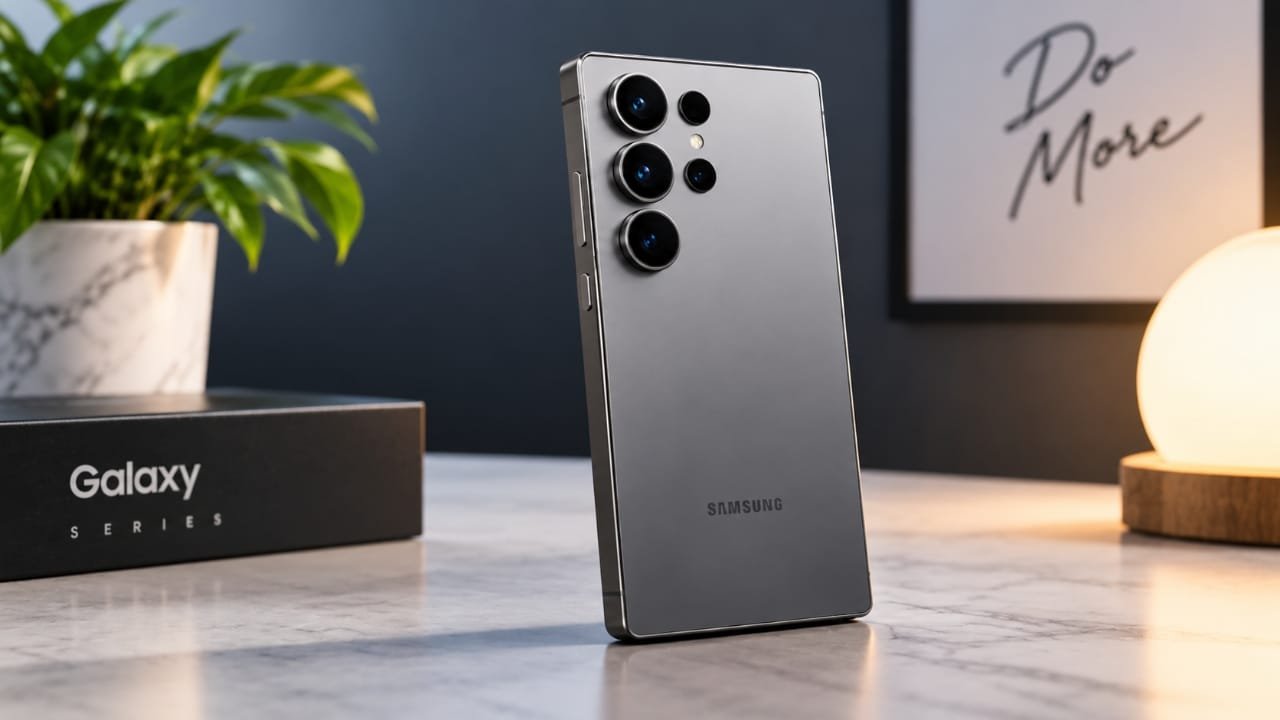
Buying a new smartphone in 2026 may require a bigger budget than it did a few years ago. Prices at the premium end of the market have continued to move upward, while manufacturers are adding more advanced hardware and AI-powered features to their latest devices.
Apple, Google and Samsung are among the major brands competing in this space. Their newest high-end phones and foldable models show how far smartphone pricing has moved.
But the increase is not simply about companies charging more. Rising hardware costs, growing demand for AI infrastructure, research and development, and increasingly advanced smartphone technology are all part of the picture.
Advertisements
Also read: How to Buy a Refurbished Phone Safely in India
AI Is Putting More Pressure on Hardware Demand
Artificial intelligence has become one of the biggest forces affecting the technology industry.
Large AI systems and data centers require enormous amounts of computing power, memory and semiconductor hardware. Technology companies are investing heavily in this infrastructure, which increases demand for certain components.
Smartphone manufacturers depend on many of the same broad semiconductor and memory supply chains. When demand rises across the technology industry, manufacturers can face higher component costs or tighter supply.
Those additional costs can eventually influence the price of consumer electronics, including smartphones.
However, component costs are only one part of the overall pricing equation.
Premium Smartphones Are Getting More Expensive
The clearest price changes can be seen in flagship smartphones.
Apple’s latest iPhone 18 Pro models, for example, occupy a higher price range than their previous-generation counterparts. Google’s Pixel 11 has also entered the market with a higher starting price, while Samsung continues to position its premium foldable phones at the top end of its lineup.
This does not mean that every smartphone will become dramatically more expensive.
Instead, it shows that manufacturers are increasingly willing to charge higher prices for devices with advanced cameras, displays, processors, materials and AI capabilities.
For buyers who normally choose flagship models, even a relatively small increase can make a noticeable difference to the total cost.
Foldable Phones Are Making the Premium Market Even More Expensive
Foldable smartphones are another major factor in the premium segment.
The technology requires specialized displays, hinges, internal components and engineering. These factors make foldable devices more complicated to manufacture than conventional smartphones.
Apple’s entry into the foldable category has also brought renewed attention to this part of the market. Its first foldable iPhone, referred to as the iPhone Duo in the current discussion, is positioned at a very high price point.
Samsung has already spent years developing foldable phones, but the category remains considerably more expensive than many traditional flagship devices.
For consumers, this means foldables are still largely positioned as premium products rather than mainstream budget options.
Why AI Features Can Increase Smartphone Costs
AI is also becoming a bigger part of the smartphone itself.
Today’s phones can perform tasks such as image enhancement, language translation, voice processing and other AI-assisted functions directly on the device.
These features require capable processors, dedicated AI computing hardware and sufficient memory.
Manufacturers are therefore spending more resources on hardware that can handle increasingly complex workloads.
There is another side to the equation as well. While smartphone companies are improving on-device AI, cloud companies are simultaneously building massive AI data centers.
The combination creates strong demand for computing hardware across multiple parts of the technology industry.
If those pressures continue, smartphone makers may have to decide whether to absorb higher costs or reflect some of them in retail prices.
Affordable Phones Could Face Their Own Challenges
Flagship prices receive most of the attention, but budget and mid-range phones could be more important for everyday buyers.
People shopping for an affordable phone generally have a fixed budget. A significant price increase can therefore have a bigger impact on their purchasing decision.
Manufacturers have several ways to deal with higher production costs.
They may raise the retail price, offer less storage, use an older component for longer, or adjust the specifications in other areas.
This does not necessarily mean budget smartphones will disappear or become unaffordable. However, it could make the competition for good value more important.
The mid-range market may become especially attractive as buyers look for a balance between price, performance and long-term support.
Are Higher Prices Only Because of AI?
Not necessarily.
AI hardware demand is one factor, but smartphone prices are influenced by many other costs.
Companies spend money on research and development, manufacturing, software development, marketing, transportation and customer support. Profit margins also play a role.
New materials, improved cameras, brighter displays, faster processors and longer software support can all add to the cost of a device.
As a result, it would be too simple to say that AI alone is responsible for higher smartphone prices.
The industry is dealing with several cost and technology changes at the same time.
Longer Software Support Can Improve Long-Term Value
There is at least one positive development for people paying more for smartphones: software support is becoming longer.
Many major manufacturers now provide updates for significantly longer periods than they did in the past.
That matters because a smartphone does not necessarily need to be replaced as soon as a new model launches.
If a device continues receiving security updates and remains fast enough for everyday use, its owner may be able to keep it for several additional years.
For example, paying more for a phone that remains useful for five or six years can make more sense than buying a cheaper model that needs to be replaced much sooner.
The purchase price is important, but the total length of useful ownership matters too.
Consumers May Hold on to Their Phones for Longer
Higher smartphone prices could also change how often people upgrade.
Modern smartphones are already capable of handling common tasks such as messaging, social media, video streaming, photography and gaming.
For many users, an older flagship can remain perfectly usable even after newer generations arrive.
If the differences between two yearly models are relatively small, spending money on an upgrade may become less attractive.
As prices increase, more consumers may choose to keep their current phone for another year or two.
That could further extend the average replacement cycle in the smartphone market.
The Smartphone Market Could Become More Divided
The smartphone industry may continue developing into several distinct segments.
At the top will be premium flagships and foldable devices aimed at customers who want the latest technology and are willing to pay for it.
The mid-range segment will likely focus heavily on delivering strong performance, capable cameras, good battery life and reliable software without reaching flagship prices.
Budget phones, meanwhile, may put greater emphasis on efficiency and essential features.
This could make the mid-range category particularly important for consumers who want modern features without paying flagship-level prices.
Should You Buy a New Phone in 2026?
A higher price does not automatically mean you should rush to buy a new phone.
If your current device works properly, performs everyday tasks without problems and continues receiving security updates, keeping it for another year may be the more sensible choice.
Before upgrading, consider a few basic things:
- Is the battery still good enough for your daily use?
- Does the phone perform your regular tasks comfortably?
- Are security and software updates still available?
- Is the camera and display working properly?
- Are there any hardware problems that are becoming difficult to ignore?
If the answer is mostly positive, there may be little reason to upgrade simply because a new model has been released.
However, if your phone has serious battery problems, no longer receives important updates, or struggles with the apps and tasks you use every day, replacing it can be reasonable.
Also read: How to Activate a New SIM Card: Complete Beginner’s Guide
Final Thoughts
Smartphone pricing in 2026 reflects a wider change happening across the technology industry.
Growing AI investment is increasing demand for computing hardware, while smartphone manufacturers are simultaneously adding more powerful processors, better cameras, advanced displays and AI features to their devices.
Foldable phones are pushing premium pricing even further, while longer software support is giving consumers a reason to keep expensive devices for more years.
For buyers, the most important question may no longer be simply how much a smartphone costs at checkout. It is also how long that phone can remain useful.
If current trends continue, getting better long-term value from a smartphone may increasingly mean buying carefully, choosing the right price segment and keeping the device for longer rather than upgrading every year.

I am a passionate Tech Writer with strong industry experience. I enjoy exploring the latest technological innovations and sharing clear, helpful insights with my audience.”
Advertisements